
Lock nuts play a crucial role in preventing loosening caused by vibration, dynamic loads, and mechanical movement. Among the most commonly used locking fasteners, nylon lock nuts and metal lock nuts are widely used in the automotive, aerospace, machinery manufacturing and various industrial production fields. Understanding their structural differences and respective application advantages is crucial for selecting the right fastening solution.
Nylon lock nuts are characterized by having a nylon inner ring; during installation, this inner ring generates friction with the bolt threads. This elastic deformation helps effectively resist loosening under moderate vibration conditions.
Suitable for general industrial applications, offering excellent vibration resistance
Minimizes thread wear during assembly
Lightweight and cost-effective
Provides insulation and basic sealing capabilities
Suitable for low to medium load applications, supporting repeated assembly and disassembly
Nylon locknuts are commonly used in the following areas:
Automotive interior components
Home appliances
HVAC systems
Electronic equipment
Light industrial machinery
However, nylon inner rings are generally limited to operating temperatures below 120°C, therefore unsuitable for high-temperature environments.
Metal lock nuts employ an all-metal locking mechanism—such as deformed threads or slotted designs—to ensure that a secure clamping force is maintained even under extreme operating conditions.
Exceptional vibration resistance
Superior high-temperature tolerance
Supports multiple installations and reusability
High strength and durability
Suitable for heavy-duty industrial applications
Metal lock nuts are widely utilized in the following sectors:
Aerospace components
Automotive engines and exhaust systems
Wind power generation equipment
Marine engineering
Heavy industrial machinery
Chemical processing systems
Compared to nylon lock nuts, metal lock nuts offer stronger and more enduring fastening reliability in harsh operating environments.
|
Feature |
Nylon Lock Nuts |
Metal Lock Nuts |
|
Locking Method |
Nylon insert friction |
Metal structural deformation |
|
Temperature Resistance |
Up to 120°C |
Up to 300°C+ |
|
Vibration Resistance |
Medium |
High |
|
Reusability |
Limited cycles |
Multiple cycles |
|
Cost |
Lower |
Higher |
|
Best Applications |
Light-duty systems |
Heavy-duty industrial systems |
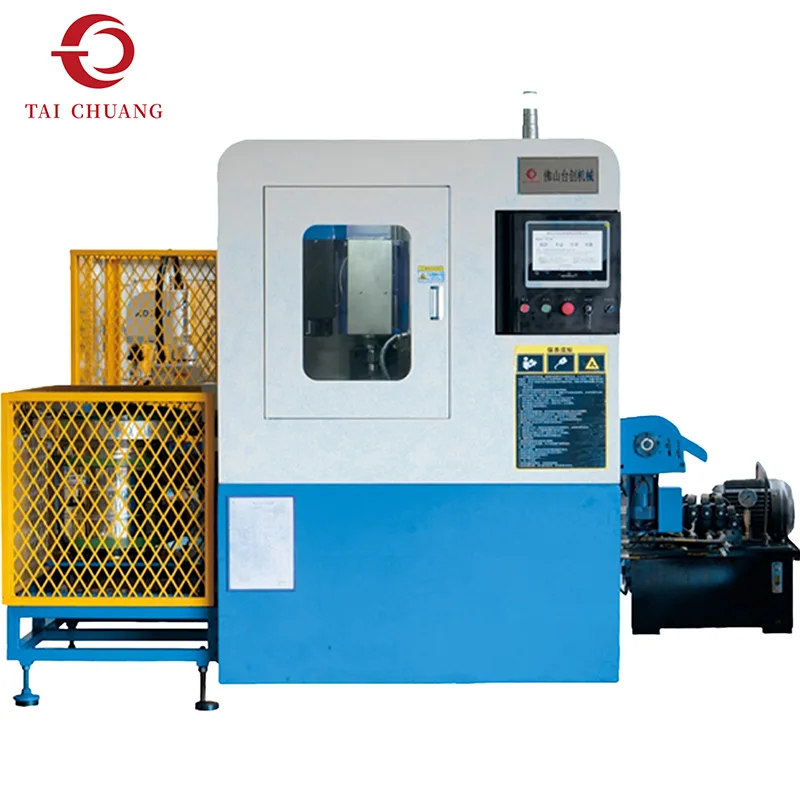
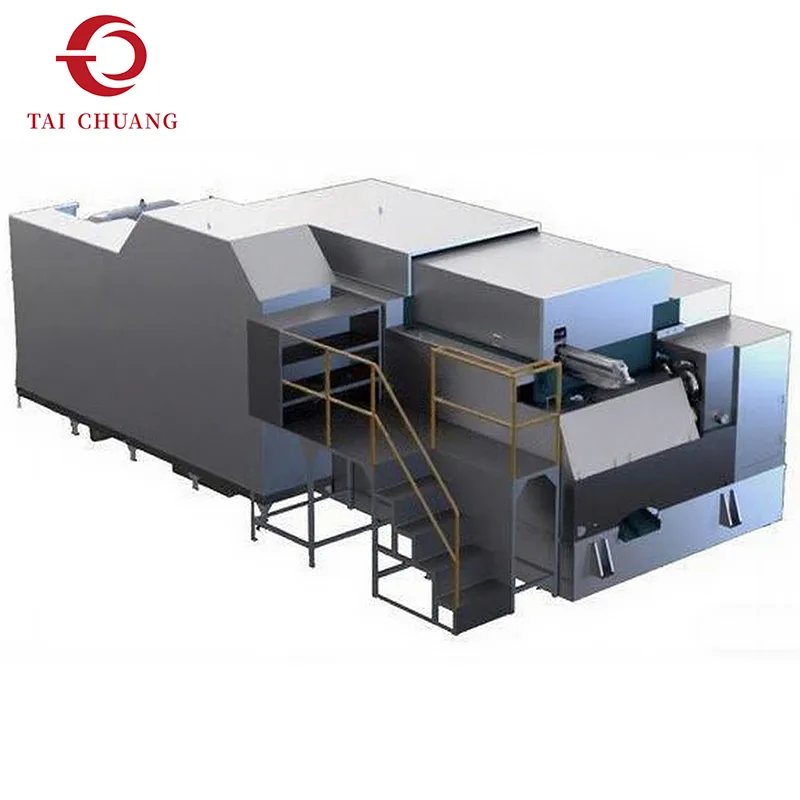
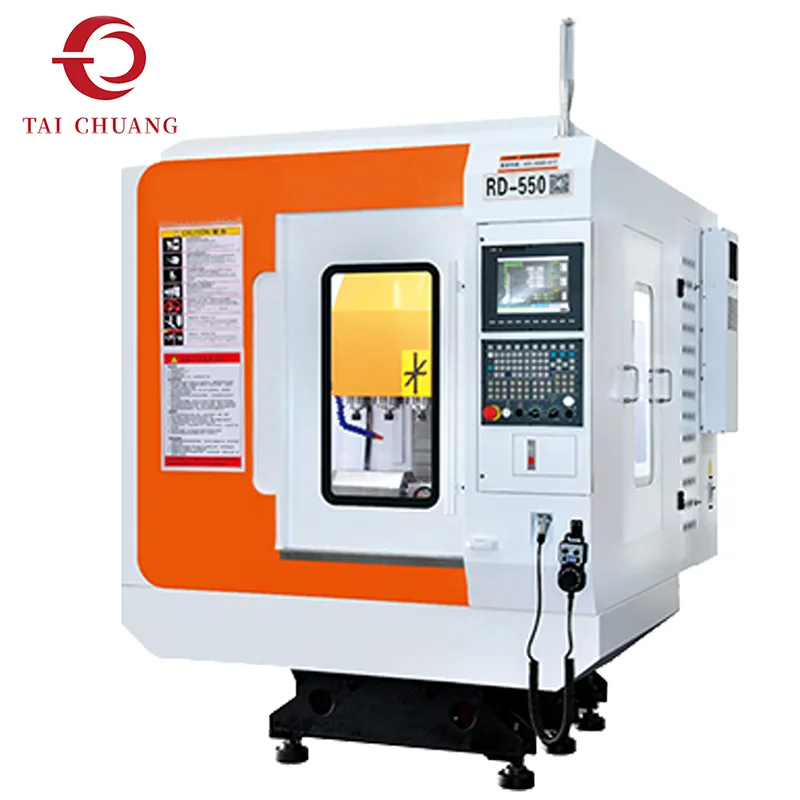
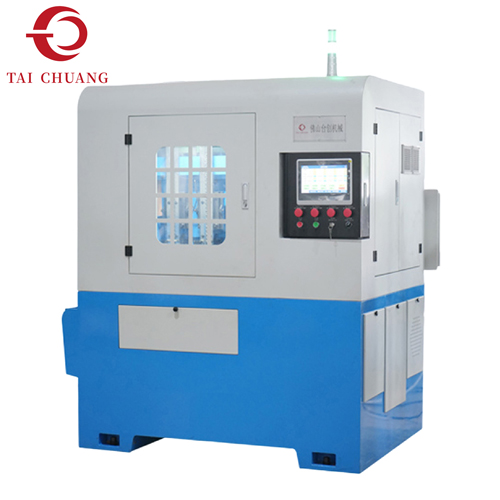
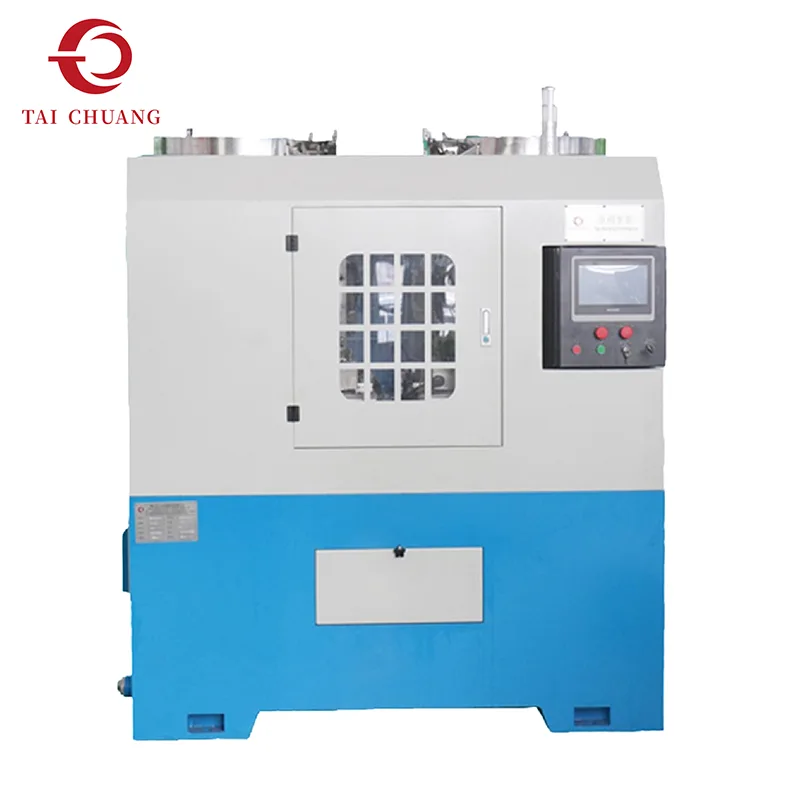
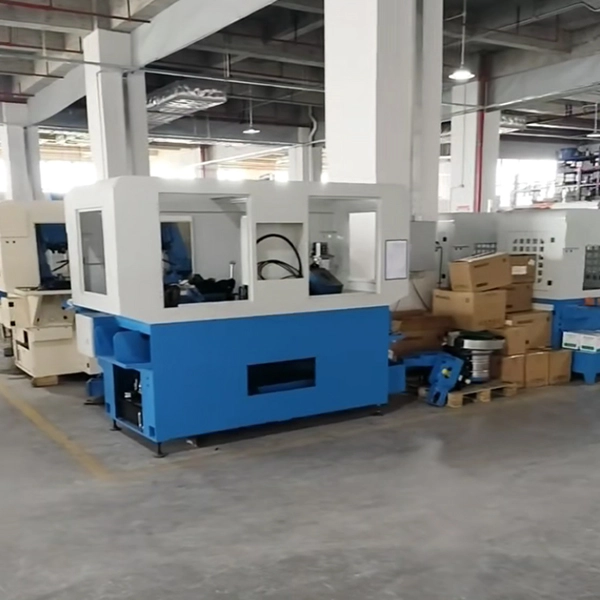
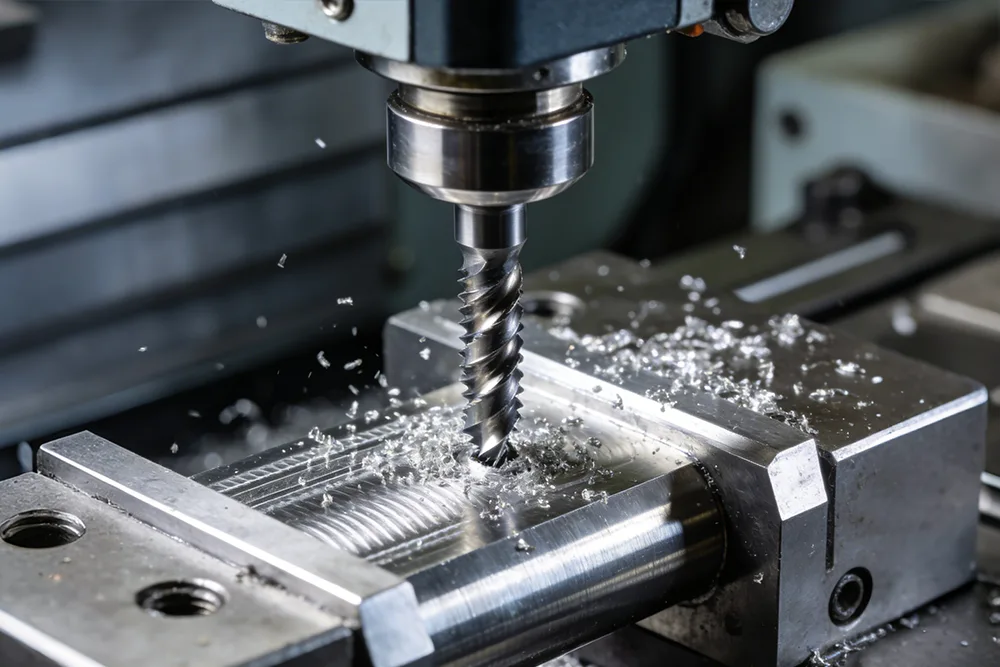
The performance of lock nuts depends largely on their thread precision and manufacturing consistency. Modern CNC nut tapping machines enable manufacturers to achieve:
High thread precision
Consistent tapping quality
Uniform thread pitch
Enhanced production efficiency
Reliable, ISO-compliant thread processing
As industrial demand for high-performance fastening systems continues to grow, automated nut tapping technology is becoming increasingly vital in the field of lock nut manufacturing.
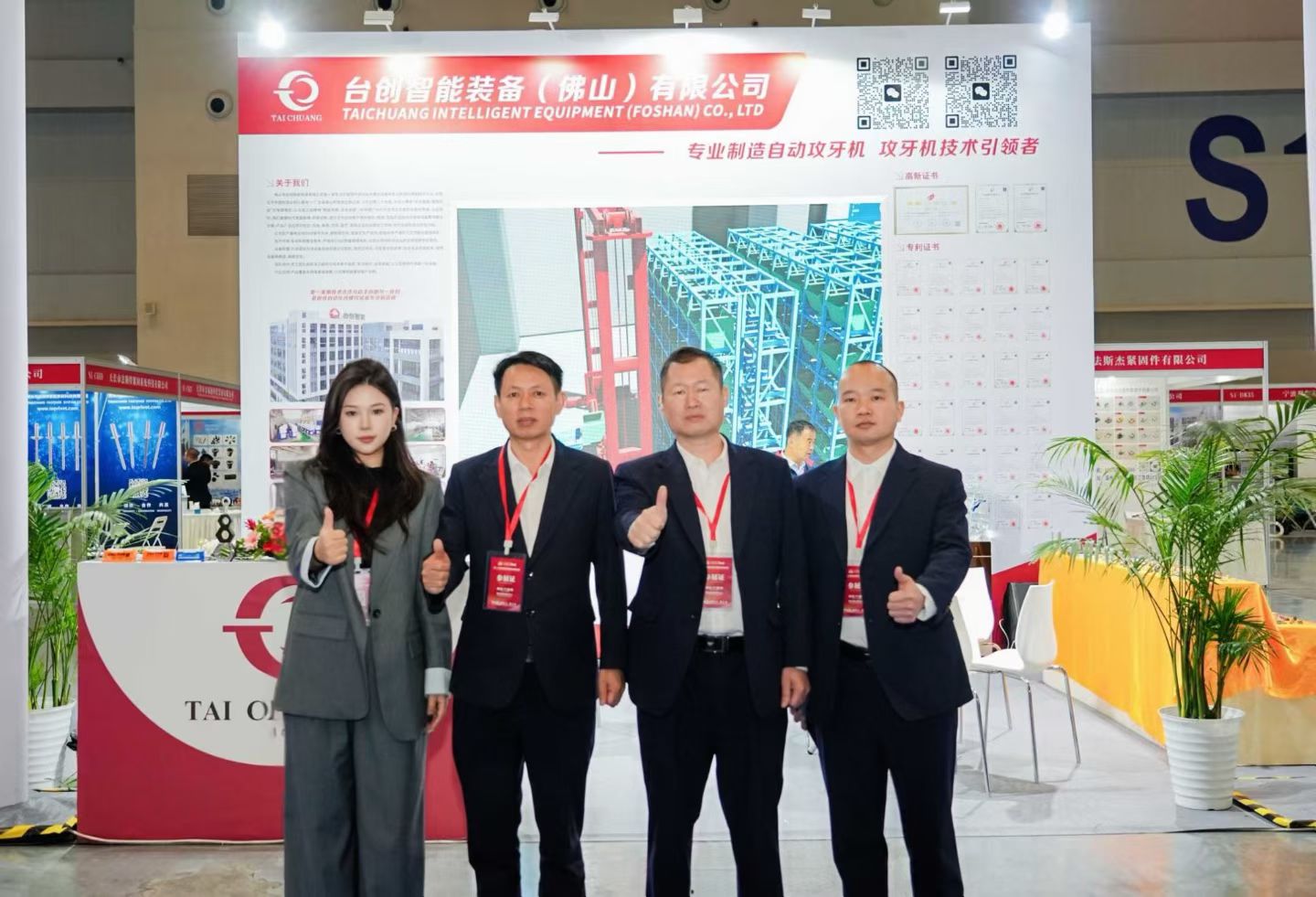
TAICHUANG Intelligent focuses on providing intelligent nut tapping machine solutions for various fastening applications, effectively supporting the efficient and high-precision production of nylon lock nuts and metal lock nuts.