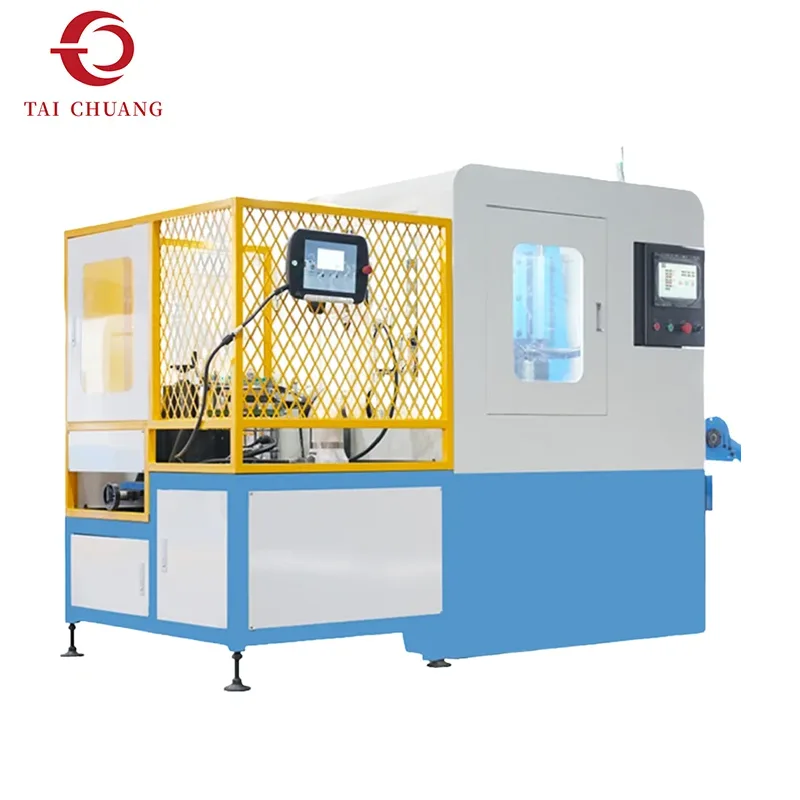
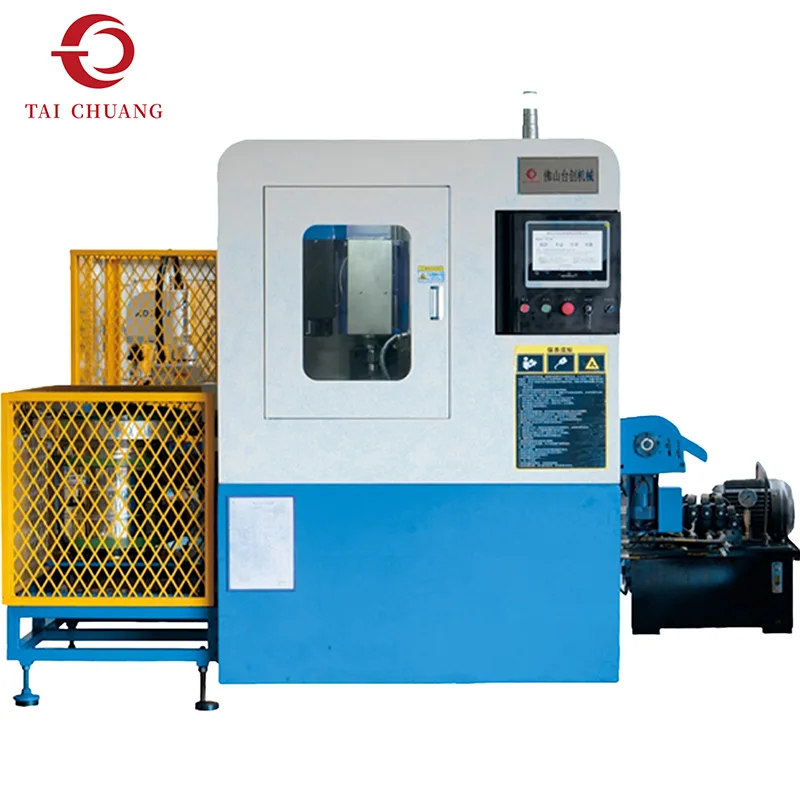
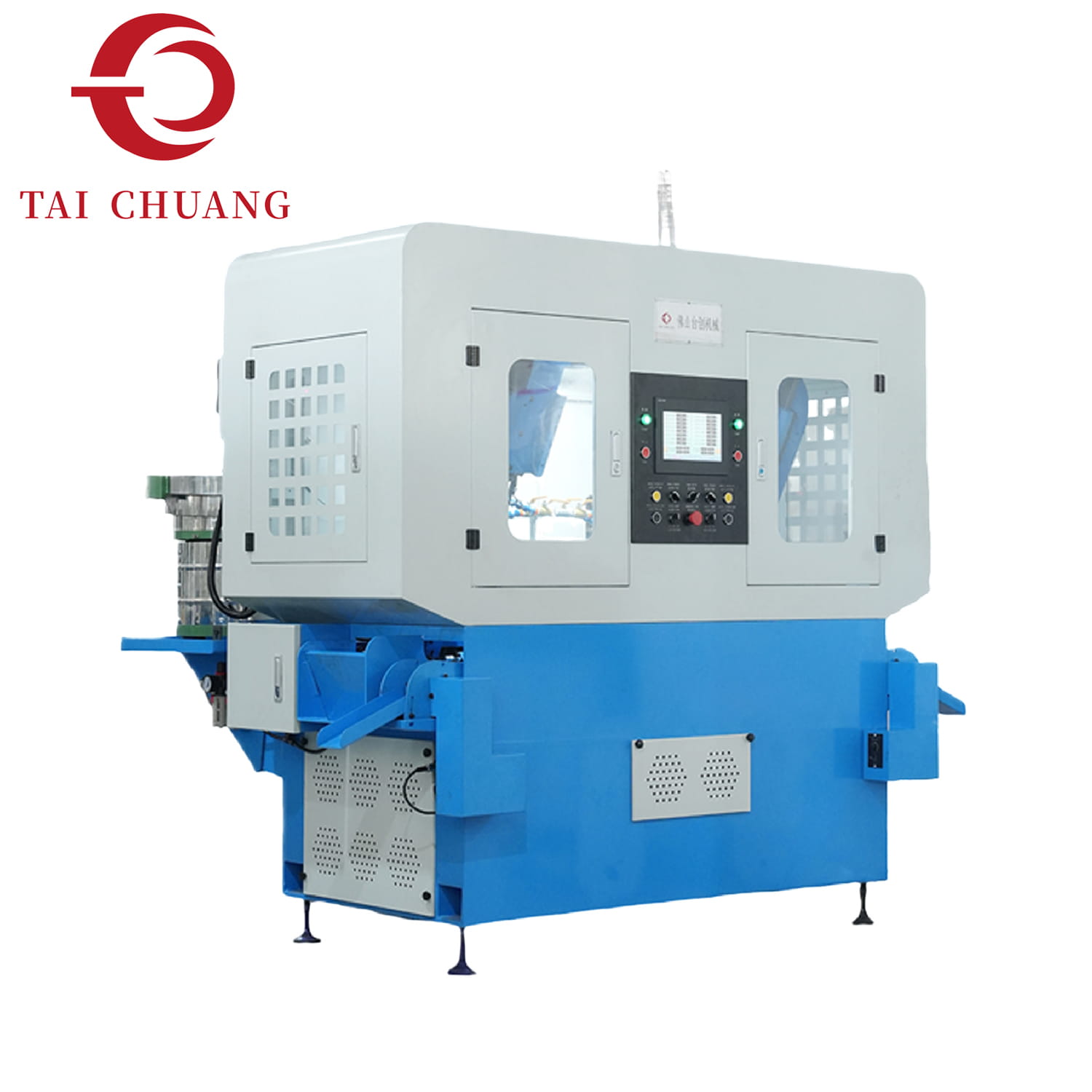
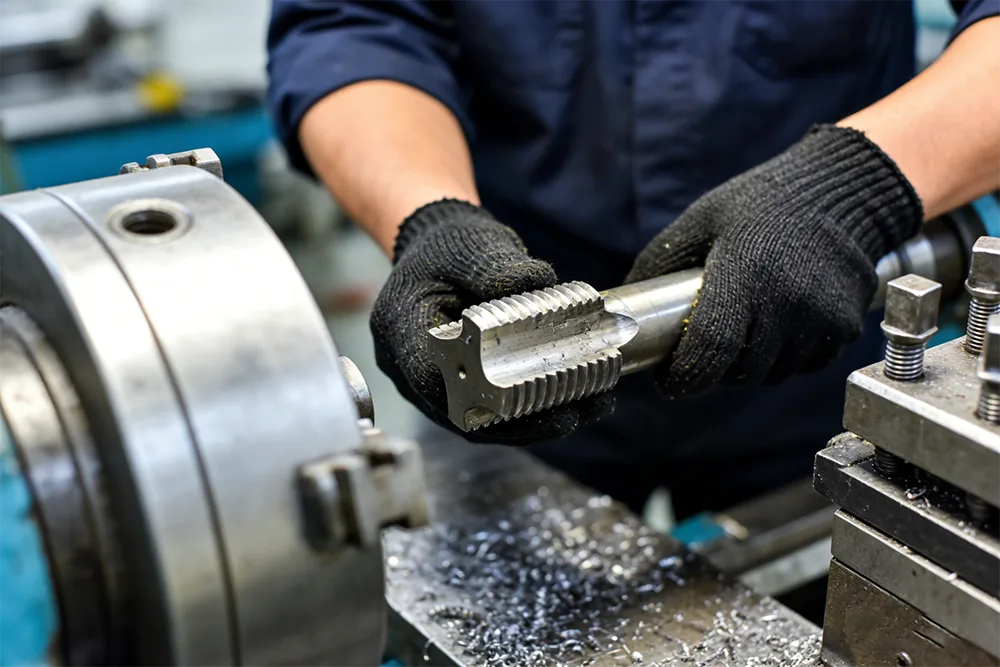
Tapping is a processing step at the end of the product. If the entire workpiece becomes unqualified due to the tapping process, it is equivalent to all the previous processes being in vain. This is extremely uneconomical. So, what is considered as deep hole tapping? And why does it require special operations during the tapping process?
For example, when we use a tap with a diameter of M14 to machine a thread with a depth of 22, at this point, the diameter value of the tap is multiplied by 1.5 times and it is still less than the thread cutting depth. This situation can be referred to as deep hole thread tapping.
When machining a deep threaded hole, the tool needs to make prolonged contact with the workpiece. As the time lengthens, a lot of heat accumulates. During the machining process, there is cutting heat and greater cutting force. Therefore, tapping in small deep holes of special materials is prone to cause tool damage and inconsistency in the thread.
To solve this problem, Taichuang offers two solutions to you:
A. Increase the diameter of the hole before threading on the threading machine.
A proper thread bottom hole is extremely important for thread processing. A slightly larger thread bottom hole can effectively reduce the cutting heat and cutting force generated during threading. However, it will also reduce the contact rate of the thread.
According to the latest national standards and technical committee regulations: in deep holes, it is allowed to only machine 50% of the full height of the thread on the hole wall. This point is particularly important when tapping small holes with special materials and difficult-to-machine materials. Although the reduction in the thread height on the hole wall leads to a decrease in the thread contact rate, due to the increase in thread length, the reliable connection of the thread can still be maintained.
The diameter increment of the threaded bottom hole mainly depends on the required thread contact rate and the number of threads per inch. Based on these two values, the correct diameter of the threaded bottom hole can be calculated using an empirical formula.
B. Adjust the special tap for deep hole tapping
Consider using internal cooling taps. Internal cooling taps can significantly improve the heat transfer between the cutting tool and the workpiece. In addition, it is necessary to fully consider the cutting parameters, tool geometry dimensions, and rake angles, etc.
If you don't select the cutting parameters, I would recommend setting them between 500 and 1200 revolutions per minute. This setting is quite suitable for most models.
We use cookies to offer you a better browsing experience, analyze site traffic and personalize content. By using this site, you agree to our use of cookies.Privacy Policy