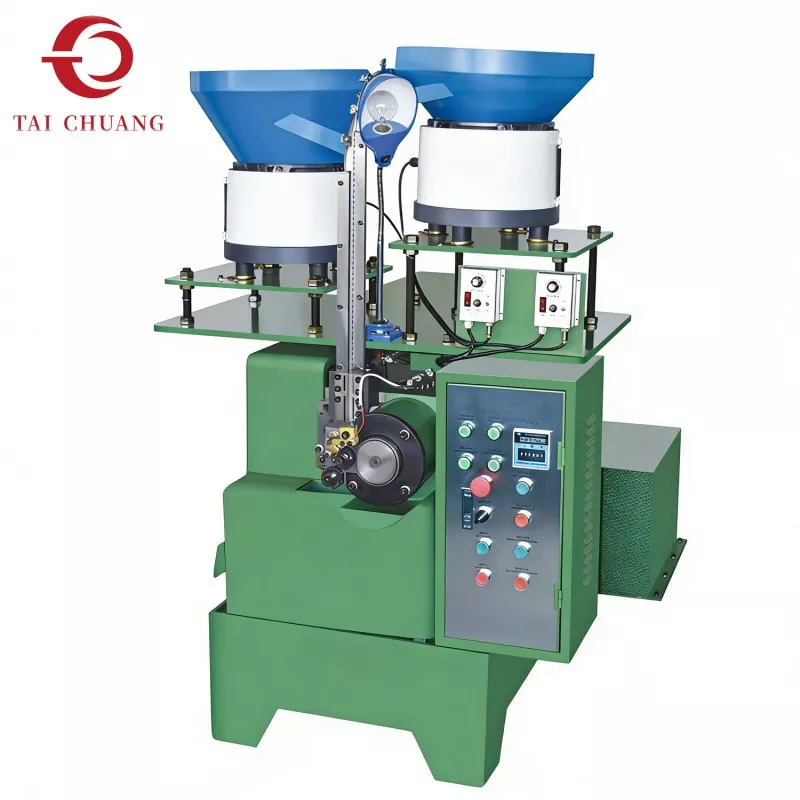
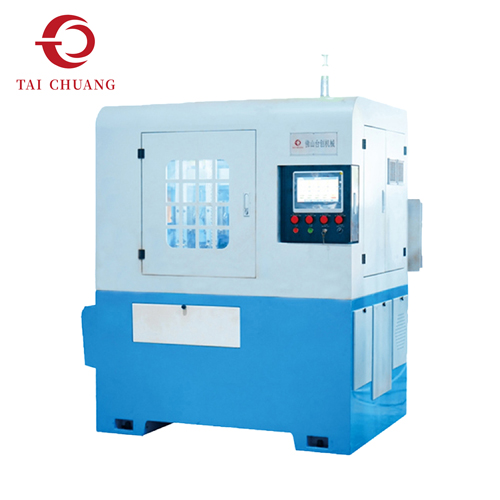
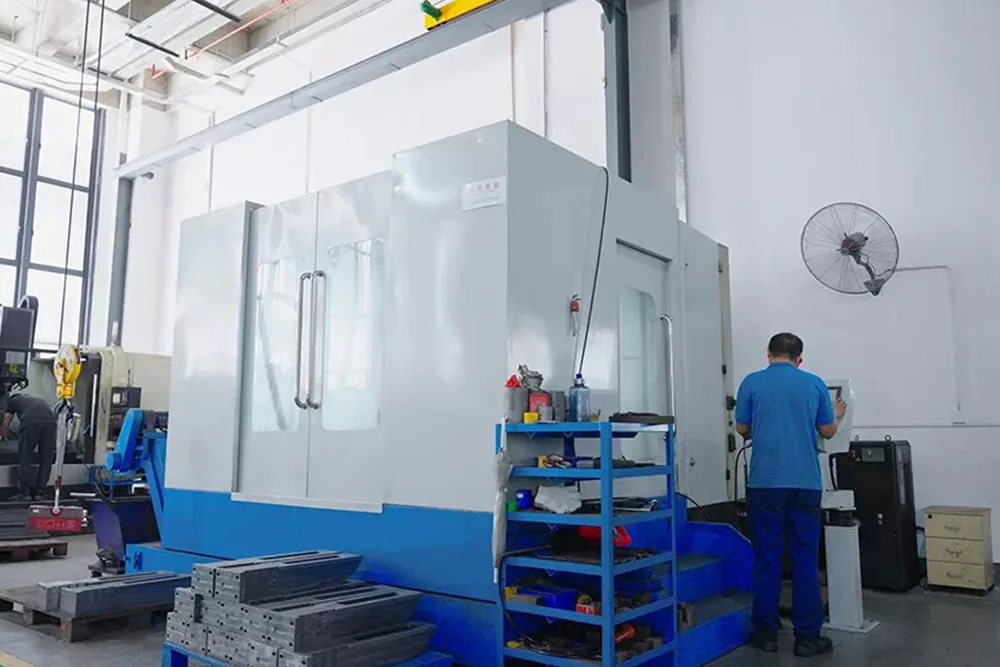
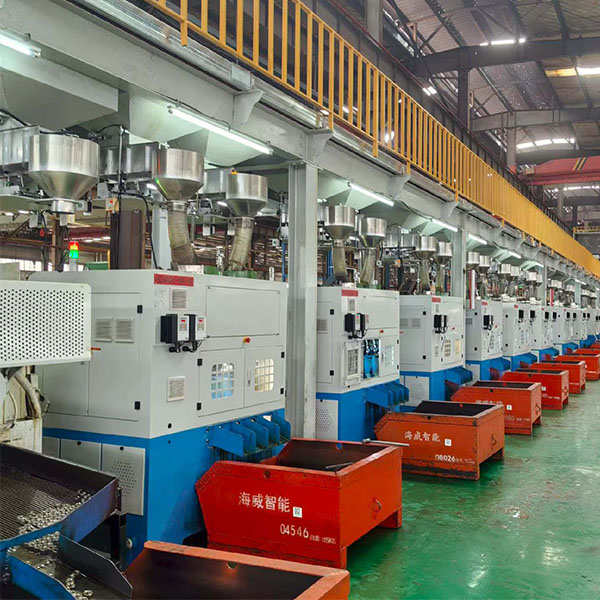
Blind holes are those holes that the tap cannot pass through. They include holes that are not connected, holes with steps inside, and holes where the diameter of the step is smaller than that of the tap.
Such socket screws are not easy to install. There are several main reasons for this.
Difficulty:
1. The iron filings are stuck on the tap, and manual intervention is required. Automation cannot be achieved.
2. The iron filings were not removed, resulting in the formation of built-up chips.
3. The iron filings did not get removed, resulting in the breakage of the rear cutting edge of the tap.
4. Iron filings were flying everywhere. There were chips on the fixture surface and in the unthreaded holes, which affected the quality of the threads.
5. The tap wears out too quickly. The helical angle of the tap's screw is too large, resulting in a thin cutting edge.
Solution:
1. Using a mechanical device, it mimics human hand movements to remove the chips from the tap.
We use cookies to offer you a better browsing experience, analyze site traffic and personalize content. By using this site, you agree to our use of cookies.Privacy Policy