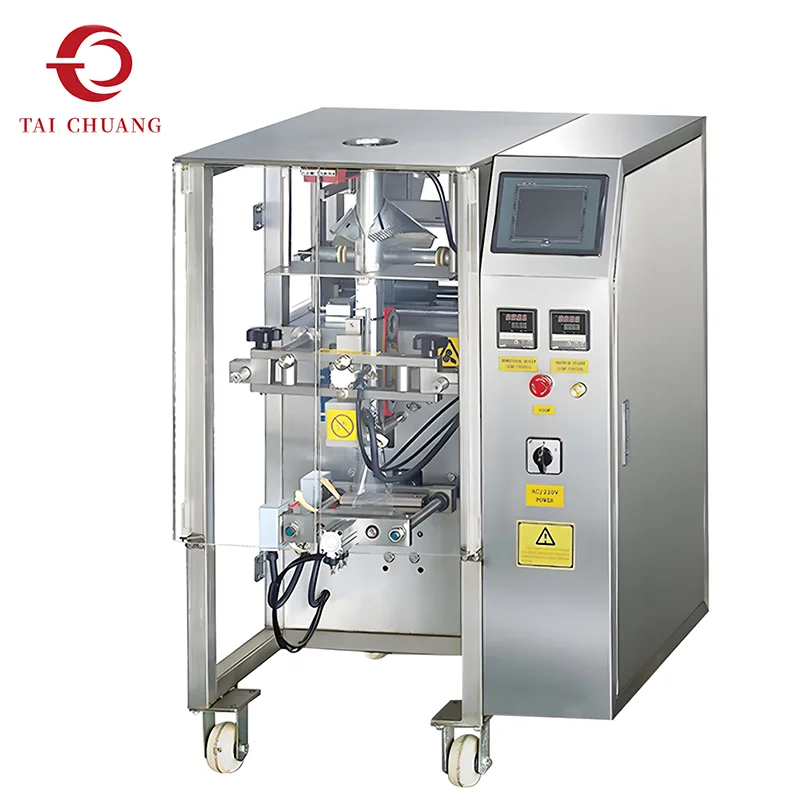
Efficient packaging solutions from TAICHUANG, a professional machinery supplier introducing the Vertical Packaging Machine designed for automatic bag forming, filling, and sealing operations. Commonly used as a vertical form fill seal system, this equipment supports consistent packaging performance for food products, hardware components, powders, and granules in industrial production environments.
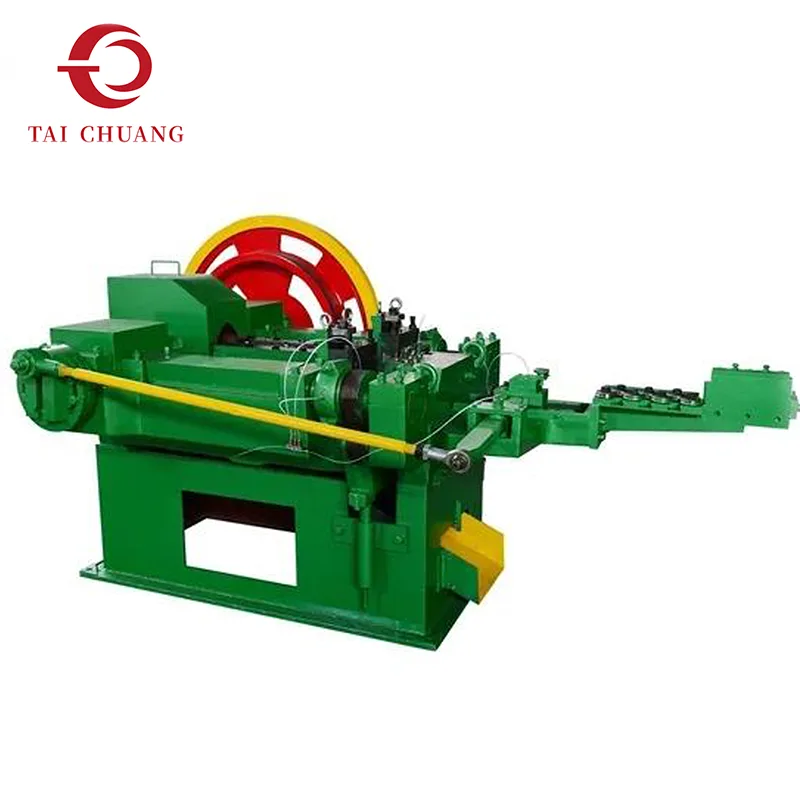
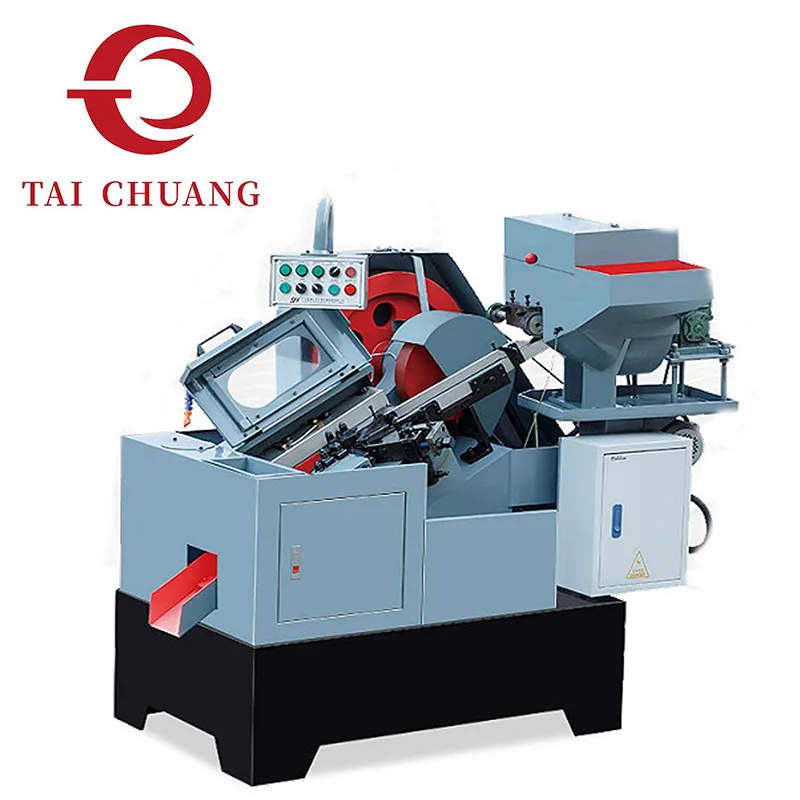
Efficient nail manufacturing solutions from TAICHUANG, a professional equipment supplier with its own factory. Our Roofing Nail Making Machine is suitable for automated production of roofing nails used in construction and roofing installation. Designed to form large nail heads and sharp nail points, this machine supports stable and continuous production of roofing fasteners required in building and industrial applications.
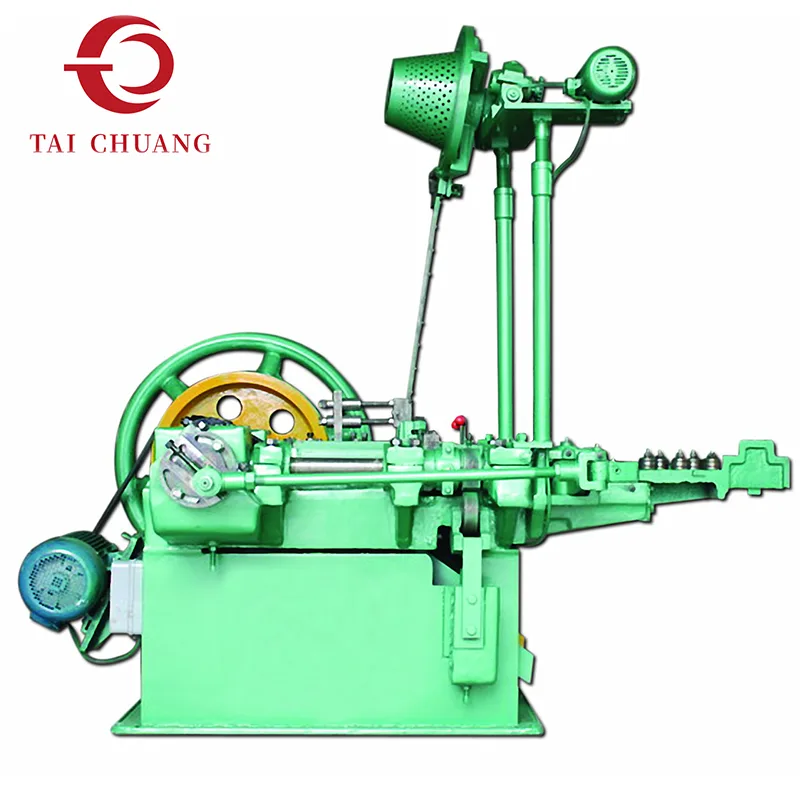
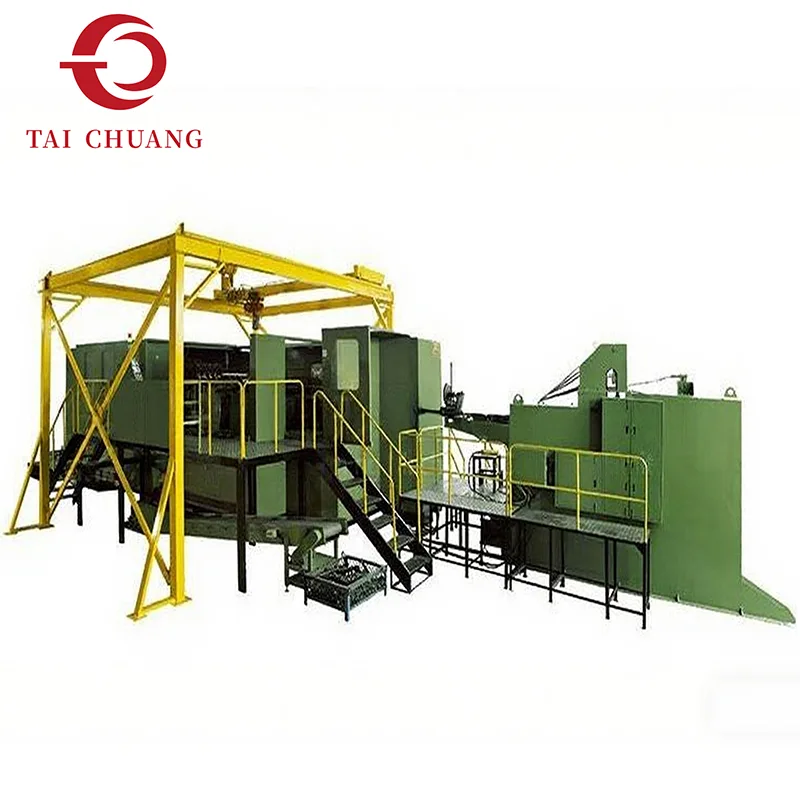
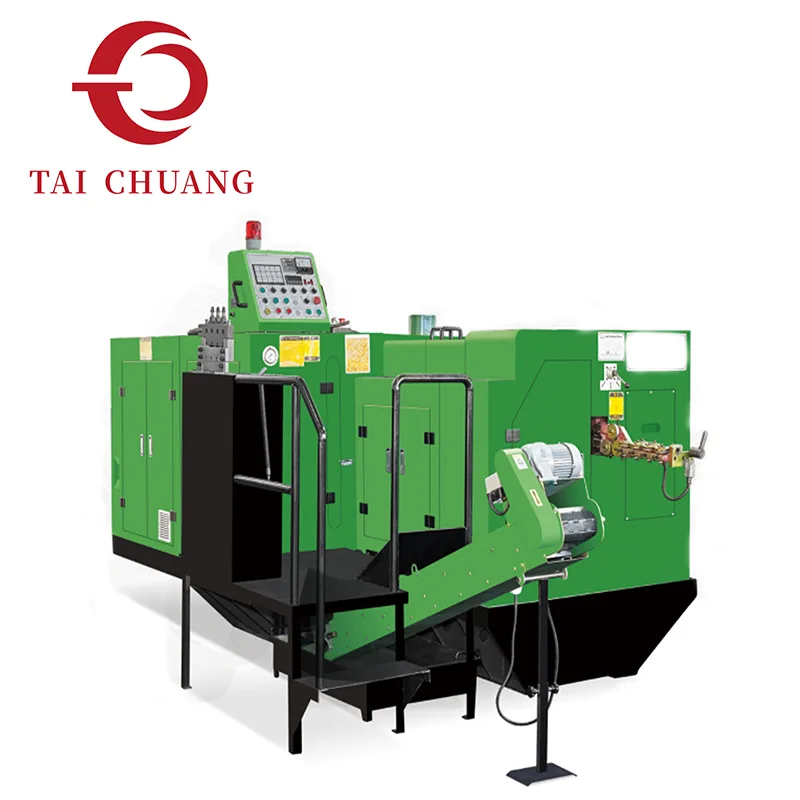
High Speed Nail Making Machine from TAICHUANG, a professional machinery supplier in China. Engineered for the automatic production of wire nails, it delivers stable forming performance and high-efficiency output. Tailored for modern nail manufacturing plants, this equipment enables continuous production with precise length control, uniform head shaping, and consistent point forming.
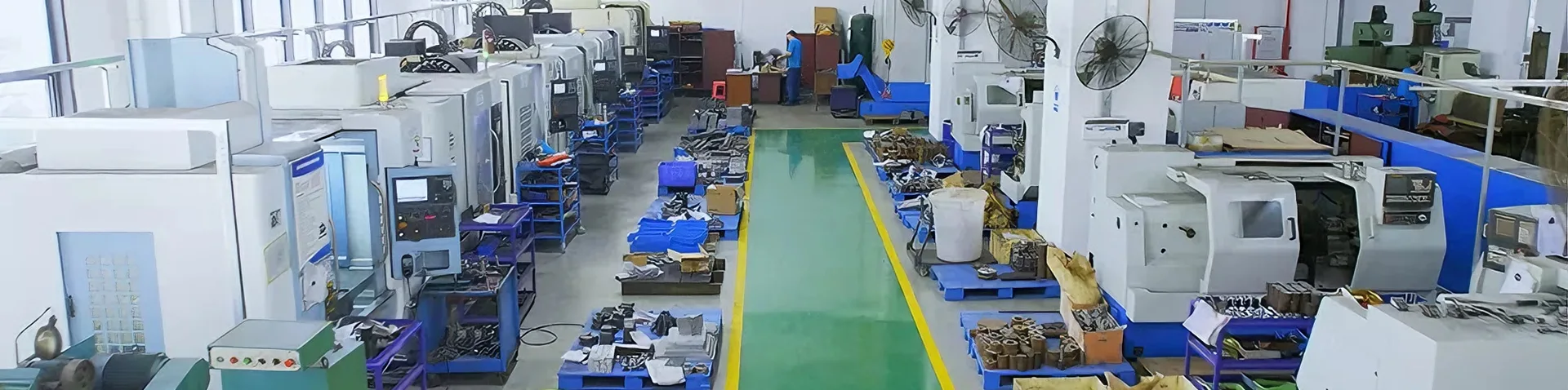
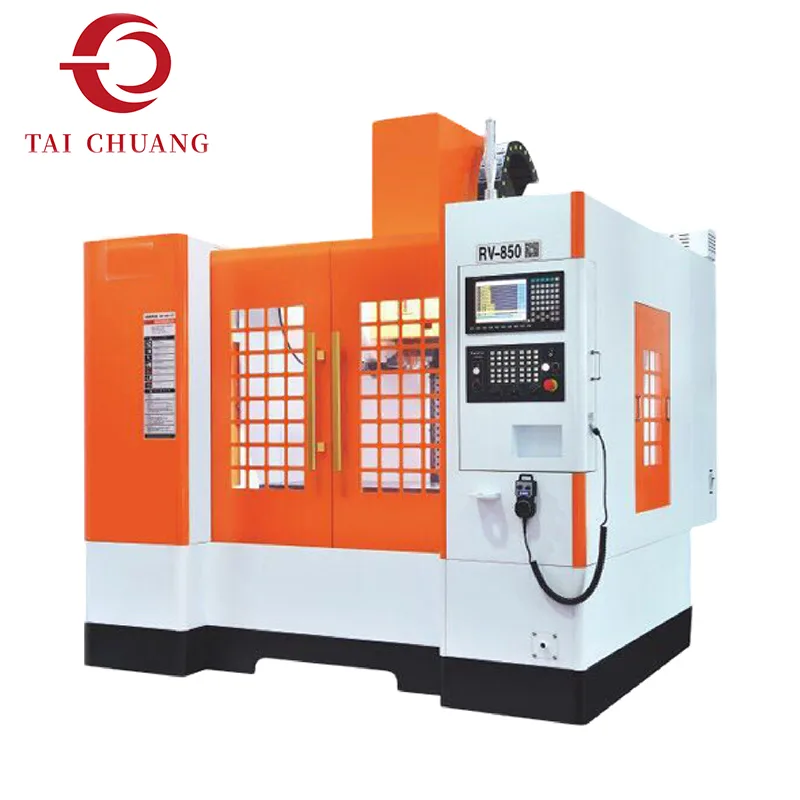
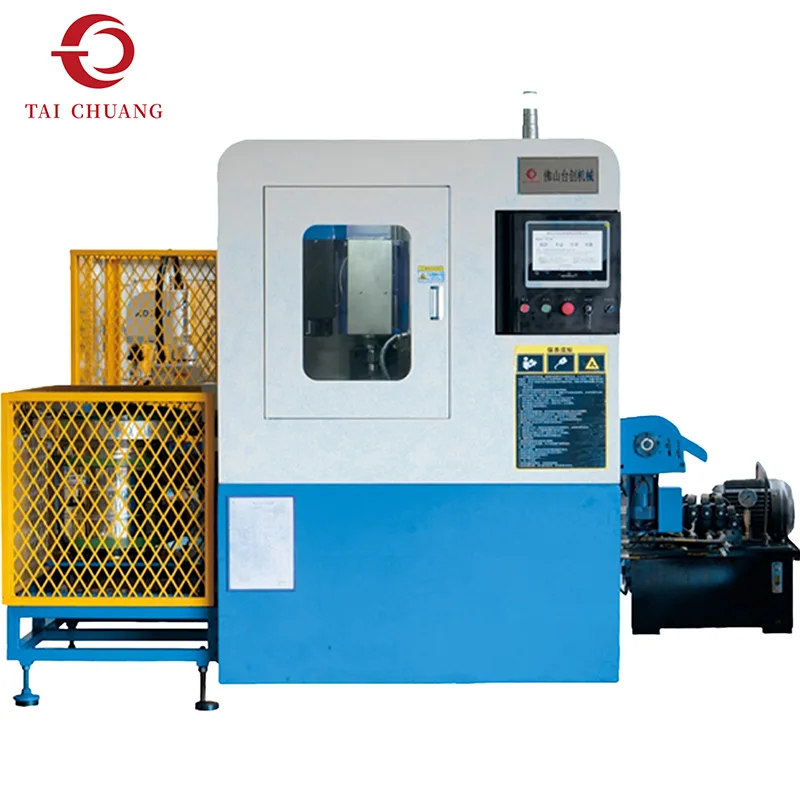
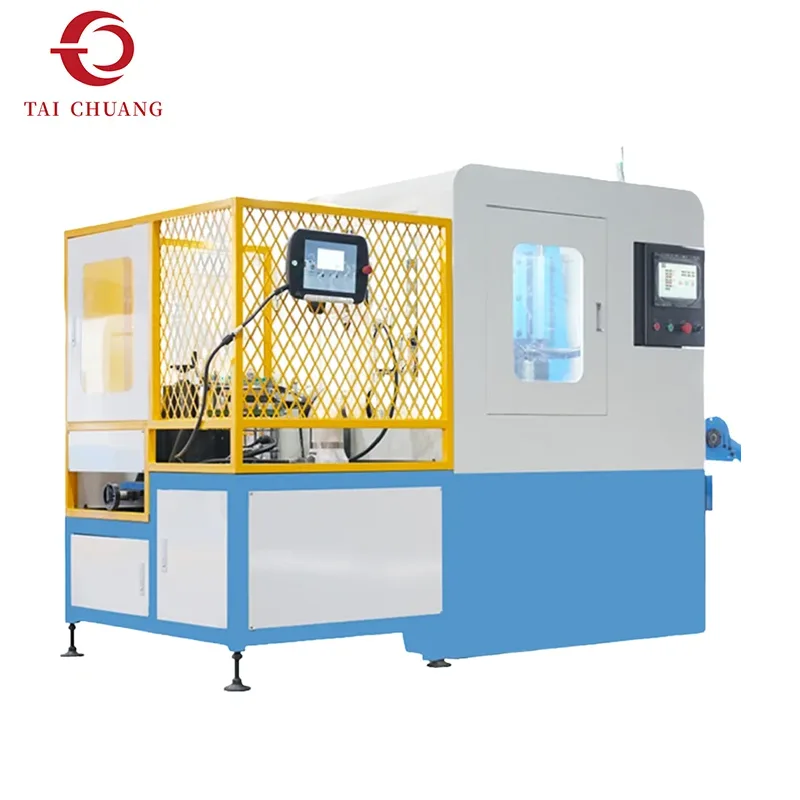
Elevate your manufacturing precision with TAICHUANG's reliable CNC machining solutions. Our Vertical Machining Center—built for precision milling, drilling, and tapping of metal components—combines a vertical spindle configuration with advanced CNC controls to deliver consistent accuracy and efficient production for critical mechanical parts in today’s industrial landscape. We are a good choice to be your manufacturer and supplier, just contact us!
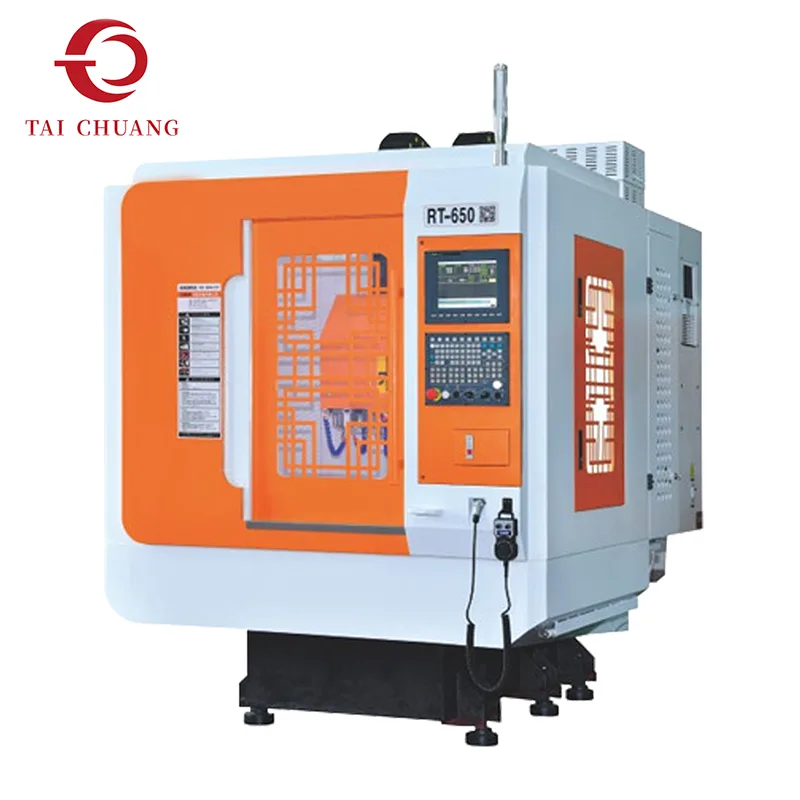
Precision machining solutions from TAICHUANG, a professional equipment supplier introducing the Engraving and Milling Machining Center for high-speed engraving, precision milling, and fine surface processing of metal and non-metal materials. This CNC machining system is designed to support industries requiring detailed machining accuracy and high-quality surface finishes for small precision components and mold structures.
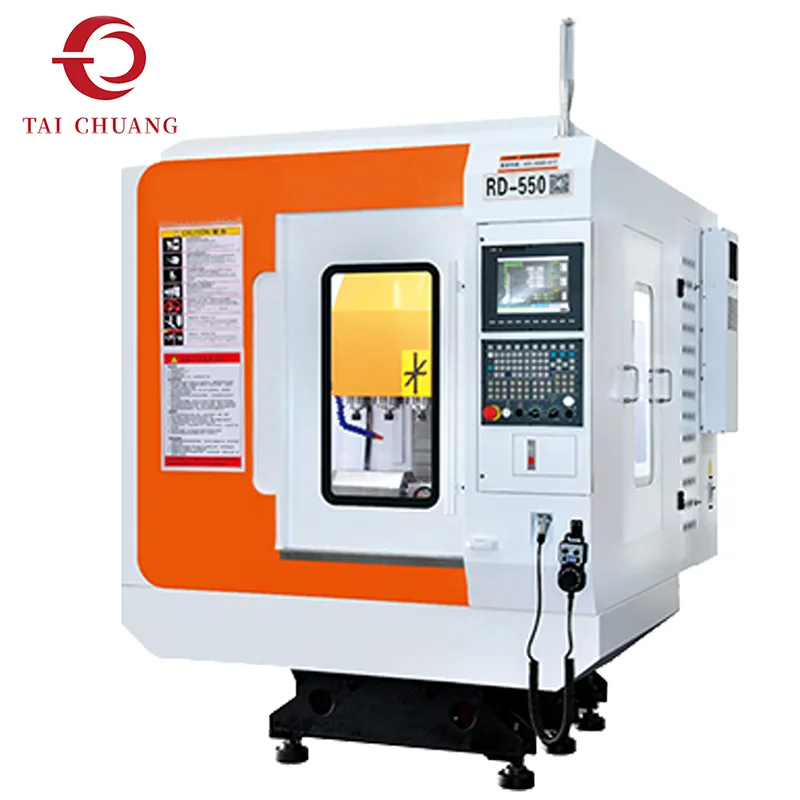
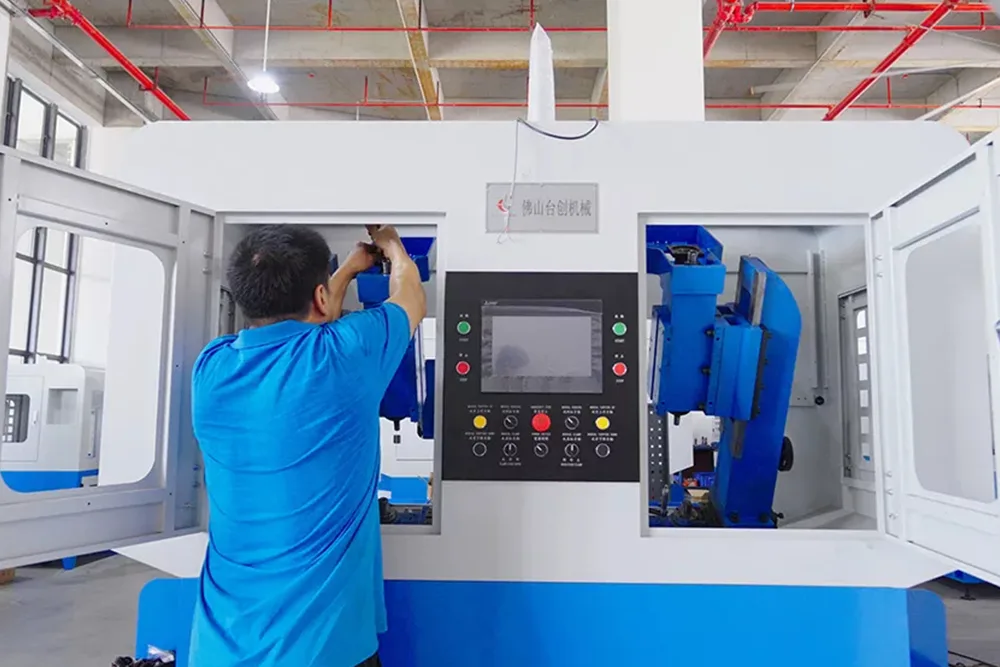
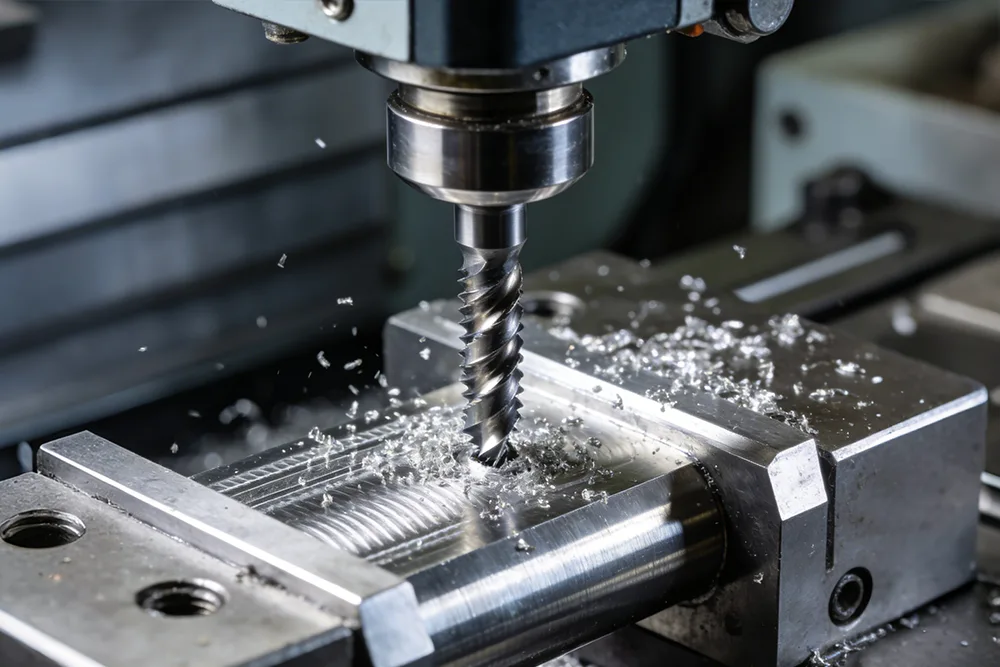
Efficient metal processing solutions from TAICHUANG, a professional equipment supplier presenting the High Speed Drilling and Tapping Machining Center for rapid drilling, threading, and light milling operations. Designed for high-efficiency production environments, this machining center helps manufacturers improve productivity when processing metal components that require large quantities of threaded holes and precision drilling.
We use cookies to offer you a better browsing experience, analyze site traffic and personalize content. By using this site, you agree to our use of cookies.Privacy Policy